Drip Torches for Prescribed Fire, Controlled Burning & Wildland Fire Operations
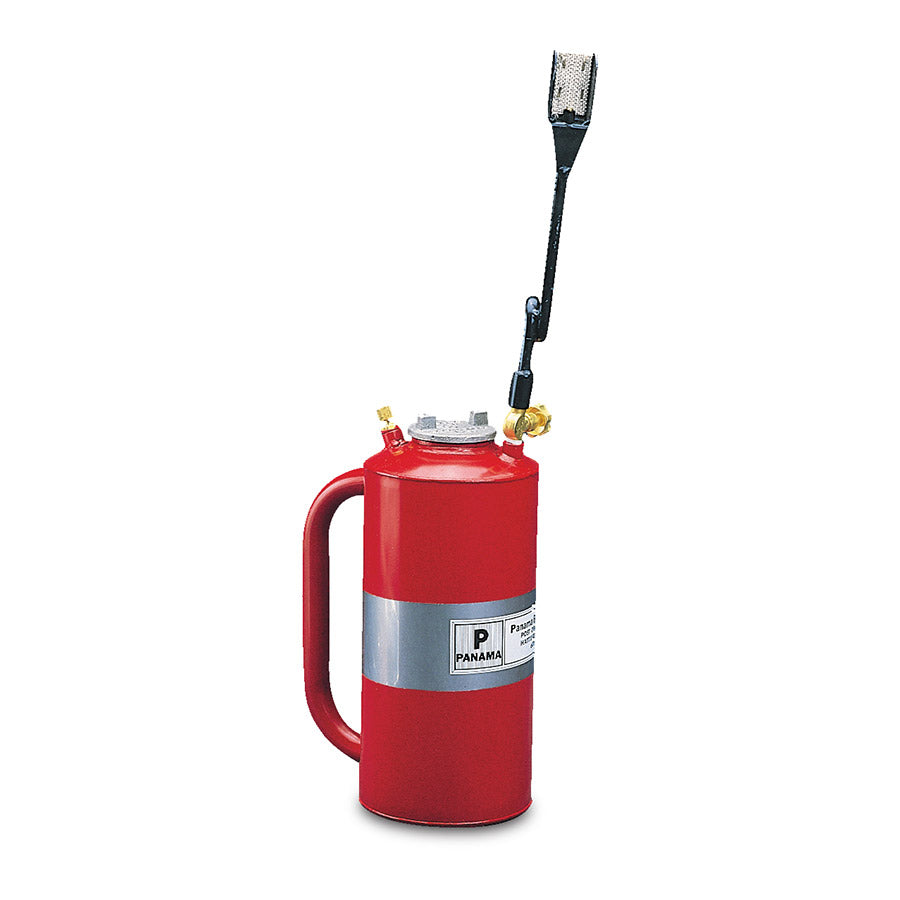
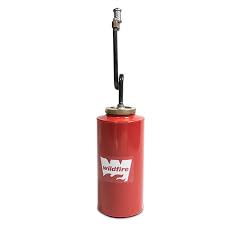
The drip torch is the standard ignition tool used by prescribed fire crews, land managers, wildland firefighters, and private landowners to safely and precisely ignite controlled burns. CSP Forestry has equipped prescribed fire programs since 1986, supplying USFS-spec drip torches and complete burning kits to state agencies, USFS contractors, range managers, wildlife habitat managers, and private landowners across the country. Our drip torches are built for reliable ignition, safe field handling, and extended use during multi-day burn operations.
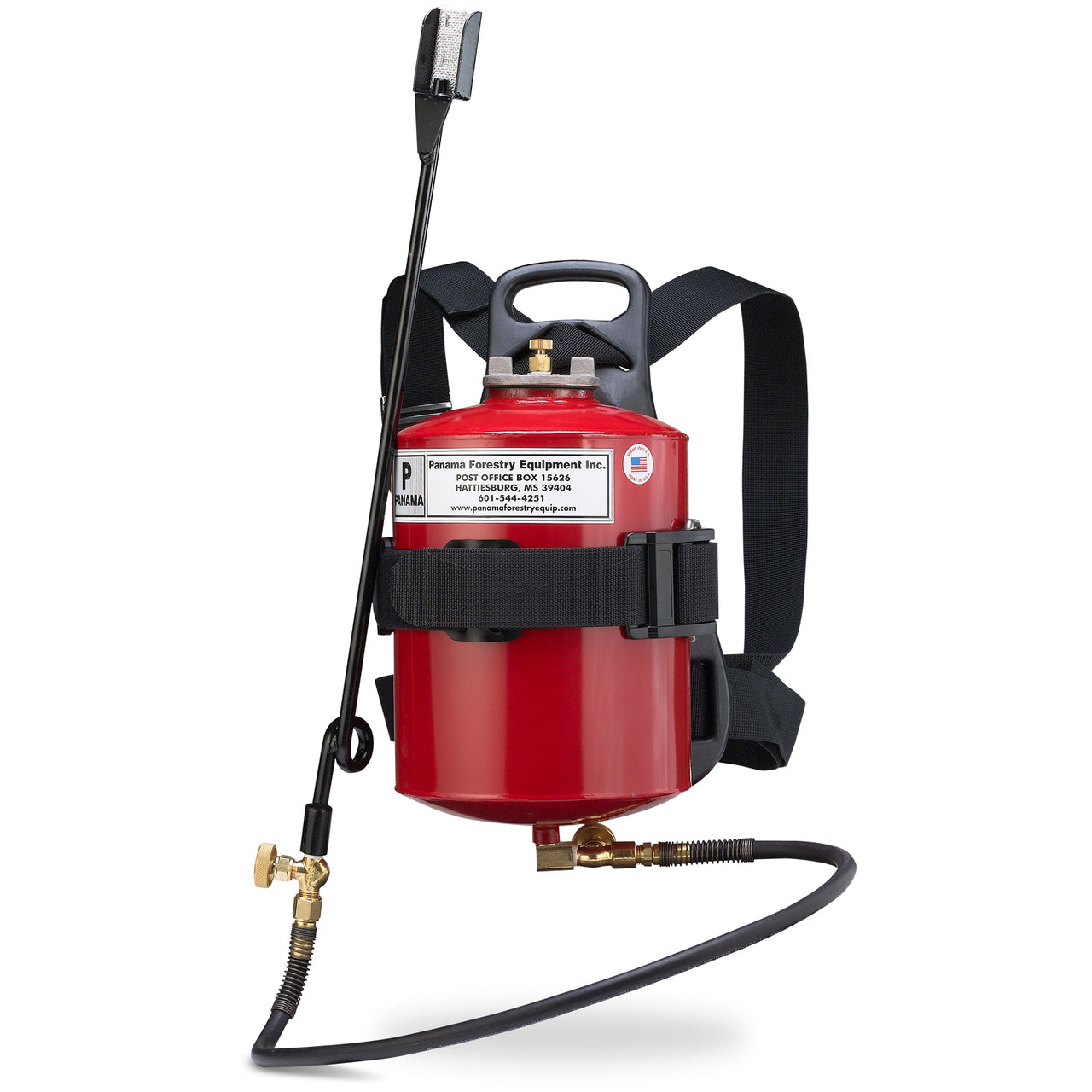
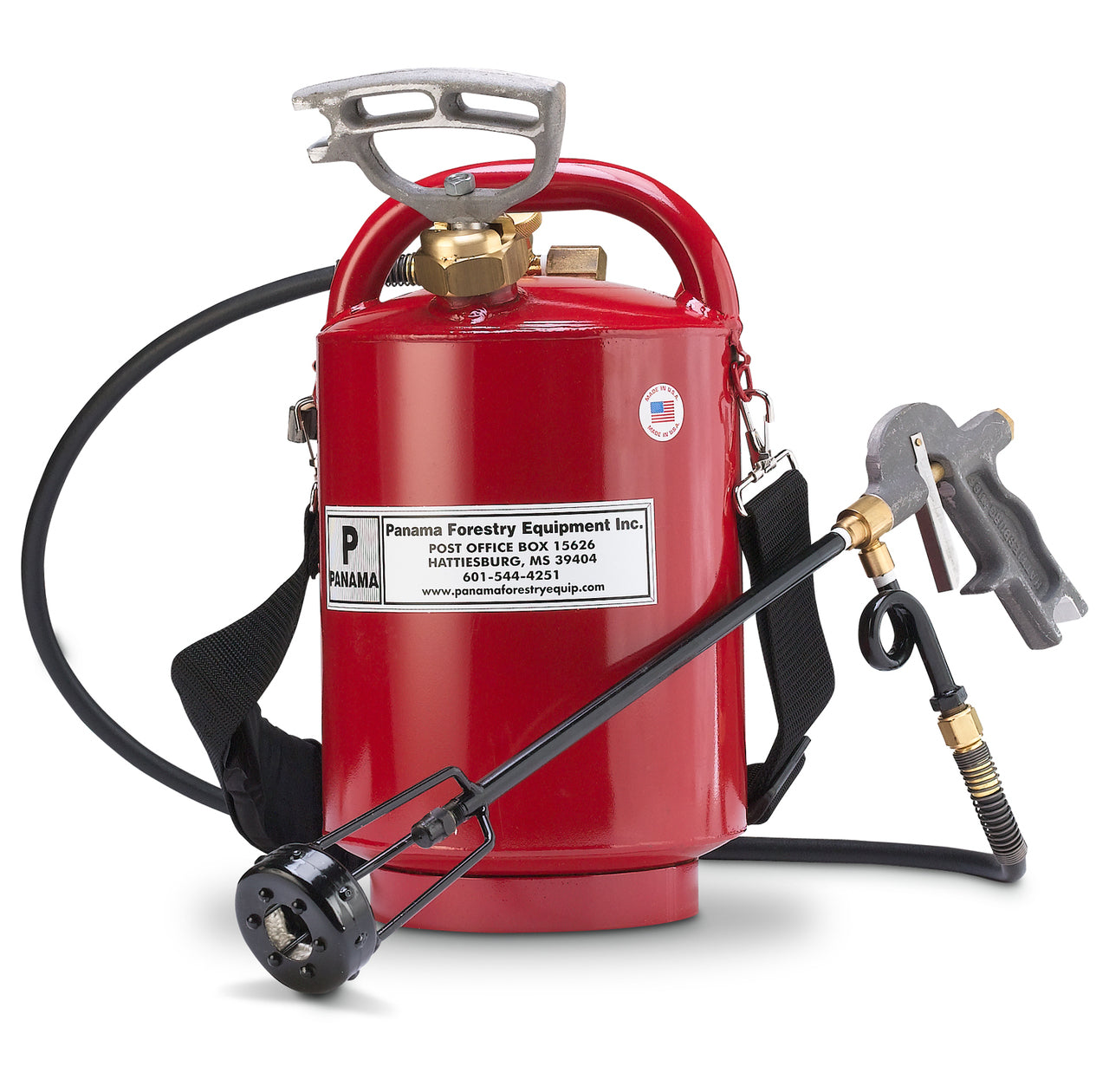
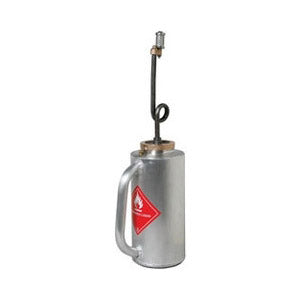
A drip torch works by dripping a lit fuel mixture — typically 3 parts diesel to 1 part gasoline — along the burn area, creating a controlled line of fire. The durable aluminum canister, spring-loaded safety cap, and threaded wick assembly make professional drip torches far safer and more reliable than improvised ignition methods. Browse our complete controlled burning equipment catalog and pair your drip torch with the backpack pumps, hand tools, and PPE needed for a safe, effective burn operation.
Drip Torch Types & Canister Sizes
CSP Forestry carries drip torches in the canister sizes and configurations used by professional burn crews. The standard 1-quart drip torch is the most widely carried size — light enough to operate one-handed for hours and sized for a single ignition pass on most prescribed burns. The larger 1-gallon drip torch extends operational time for longer burn units or broadcast burning without the need for frequent refills, and is favored by experienced igniters working large units with multiple backing fire lines.
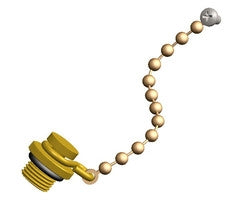
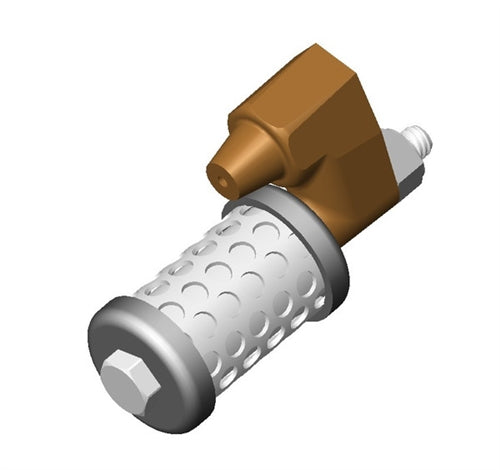
All models we carry feature anodized aluminum construction for corrosion resistance, a screened wick assembly that prevents fuel from flaring back into the canister, and a spring-loaded cap that seals the canister automatically when not actively dripping. This safety cap is a critical feature — it prevents unintentional fuel release if the torch is dropped or set down during operations. Browse our drip torches alongside fire fighting equipment and backpack water tanks for a complete prescribed fire kit.
Drip Torch Fuel Mix & Maintenance
The standard prescribed fire fuel mix is 3 parts diesel fuel to 1 part unleaded gasoline by volume. The diesel acts as the primary fuel carrier and reduces flare-up, while the gasoline improves ignitability and flame adhesion to vegetation. Never use straight gasoline — it creates dangerous flare-back risk at the wick. Some programs use a 4:1 or 5:1 mix in high-fire-danger conditions for additional margin. Always follow your agency's burn plan and fuel protocol.
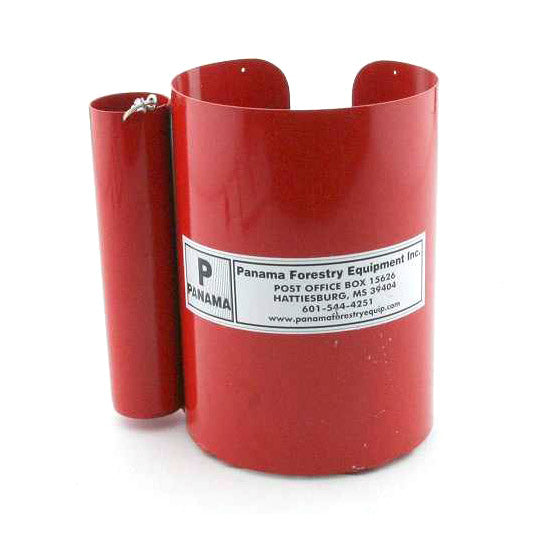
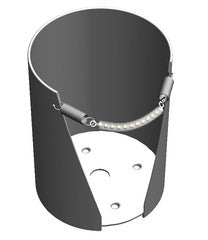
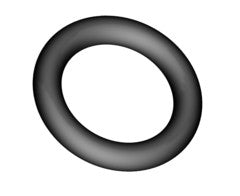
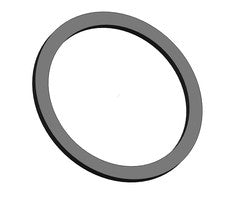
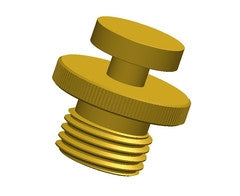
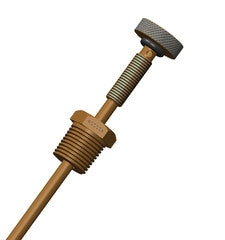
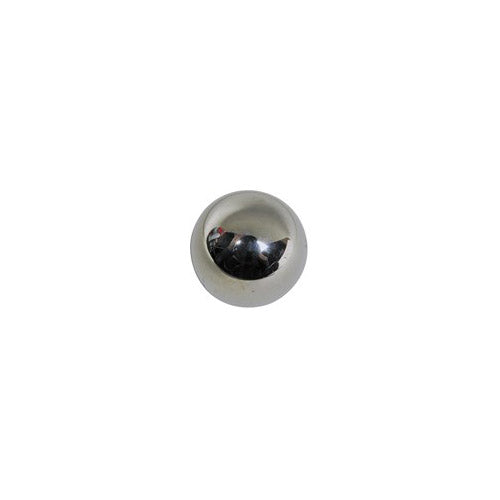
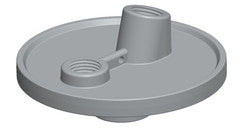
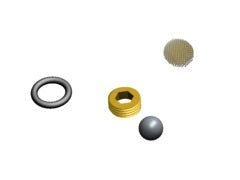
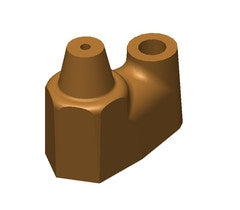
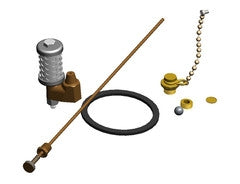
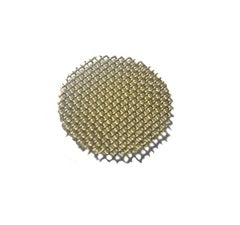
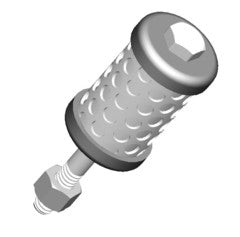
Proper drip torch maintenance extends service life and prevents ignition failures in the field. Key maintenance items include replacing the wick when it becomes too short to maintain a steady flame, cleaning the screen to remove carbon buildup, inspecting and replacing the O-ring on the cap assembly to prevent leaks, and storing the torch with the cap sealed and in a vertical position. We carry replacement wicks, screens, and O-ring seal kits alongside our drip torches so your crew can maintain equipment without downtime. Browse our fire fighting equipment accessories for maintenance parts.
Prescribed Fire Ignition Methods & When to Use a Drip Torch
The drip torch is the primary ignition tool for most ground-ignited prescribed burns. Common ignition patterns include:
- Backing fire (head fire backing into the wind) — Igniters walk with the wind at their back, dripping fire along the downwind edge of the burn unit. Produces the most controllable, low-intensity fire and is preferred for initial ignition on most prescriptions.
- Strip head fire — Igniters light successive strips parallel to the control line, working upwind. Produces higher intensity than backing fire and is used to meet prescription objectives on larger units.
- Spot ignition — Individual spots are lit in a grid pattern to control rate of spread and fire behavior on complex terrain.
- Flanking fire — Ignition along the sides of the burn unit, used to build the fire to prescription or widen the burn perimeter.
For aerial ignition on larger burn units, plastic sphere dispensers (PSDs) are used in helicopters — these are separate from drip torches but may be used in combination for complex burn units. Contact CSP Forestry for ignition equipment questions and recommendations for your burn program.
Prescribed Burn Safety & Required PPE
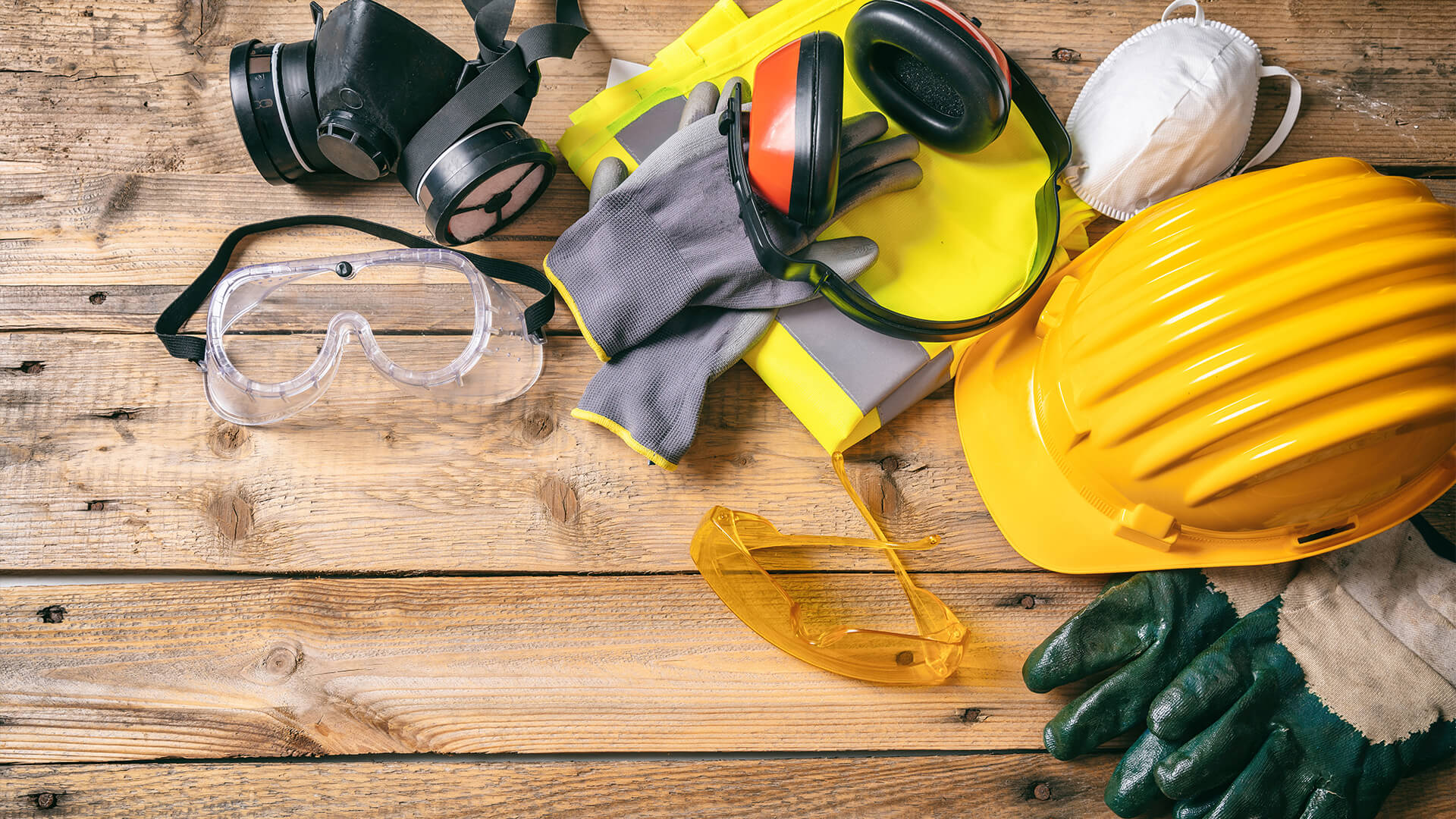
Every drip torch operator must be equipped with appropriate fire-rated personal protective equipment. NFPA 1977 and most agency standards require:
- Flame-resistant (FR) clothing — Nomex shirt and pants or FR coveralls rated to NFPA 1977. Never wear synthetic fabrics near open fire. Browse our fire PPE and safety supplies for FR clothing options.
- Leather gloves — Full-leather or leather-palmed gloves that protect hands during ignition and mop-up operations
- Hard hat — Yellow fiberglass or plastic hard hat meeting ANSI Z89.1 requirements
- Safety glasses or goggles — Protect eyes from smoke, embers, and ash particulate
- 8-inch leather lace-up boots — Leather uppers with Vibram or lug sole; no synthetic materials that can melt near heat
- Fire shelter — Required for all personnel working on wildland and prescribed fires per most agency protocols
Pair your PPE with a weather meter or Kestrel to monitor wind speed, relative humidity, and temperature against your burn prescription before and during ignition. Never ignite outside your prescription parameters.
Complete Prescribed Fire Equipment Kit
A drip torch is just one component of a complete prescribed fire operation. CSP Forestry is a one-stop source for everything your burn crew needs:
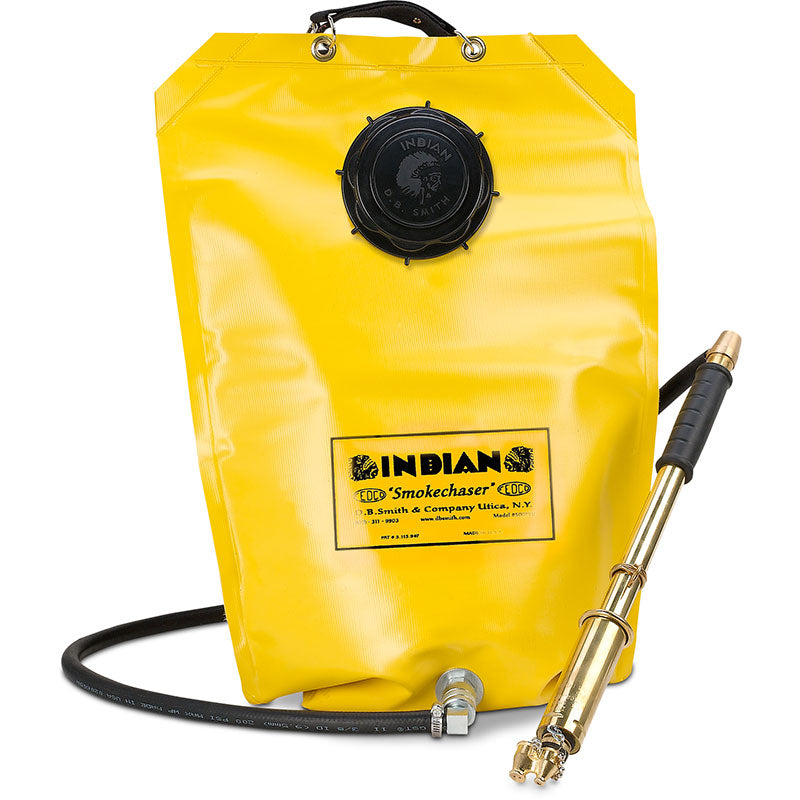
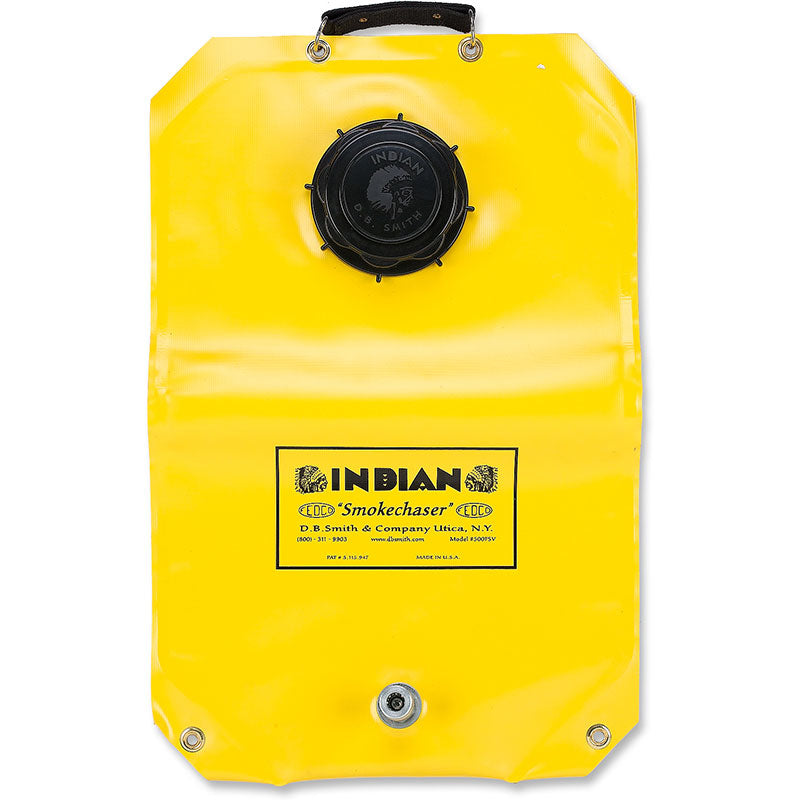
- Backpack water tanks (bladder bags) — For perimeter patrol, spot suppression, and mop-up after the burn
- Firefighting hand tools — Pulaskis, McLeods, rakes, and shovels for fire line construction and mop-up
- Controlled burning equipment — Full category including torch accessories, fuel cans, and ignition supplies
- Weather instruments — Kestrel wind meters and belt weather kits for monitoring burn conditions
- Fire-rated PPE — Nomex clothing, hard hats, gloves, and boots meeting NFPA 1977
- Fire and rescue supplies — First aid and emergency equipment for field crews
- Flagging tape — For marking control lines, hazard trees, and crew entry/exit points
Who Uses Drip Torches
Drip torches are used across a wide range of land management and fire operations:
Wildlife & Habitat Managers: Prescribed fire is one of the most effective tools for maintaining early-successional habitat, managing invasive species, and improving browse quality for deer, turkey, quail, and other wildlife. Land managers conducting habitat burns depend on drip torches for precise, controlled ignition.
Range Managers: Burning is used to remove old growth grass, stimulate new forage growth, control brush encroachment, and improve pasture productivity. Ranch and range managers rely on drip torches for spring and fall range burns.
Timber & Silviculture: Site preparation burning after harvest removes logging slash, competes with brush, and prepares seedbeds for reforestation. Drip torches are the ignition method of choice for site prep and understory burning in managed timber stands.
State & Federal Fire Crews: Agency fire crews conducting prescribed burns on public lands use USFS-spec drip torches as standard ignition equipment. CSP Forestry supplies agency programs and contractors who carry out prescribed burn contracts.
Frequently Asked Questions
What fuel mix is used in drip torches?
The standard drip torch fuel mix is 3 parts diesel to 1 part unleaded gasoline by volume. The diesel reduces flare-up risk while the gasoline improves ignitability. Some agencies use a 4:1 or 5:1 mix in high fire-danger conditions. Always follow your agency's prescribed burn plan and safety protocols when mixing fuel.
Are your drip torches built to USFS specifications?
Yes. The drip torches we carry meet or exceed USFS equipment specifications used across government and contractor prescribed fire programs. They feature anodized aluminum construction, screened wick assemblies, and spring-loaded safety caps required for agency use.
What size drip torch should I use?
The 1-quart drip torch is standard for most prescribed fire work — light enough for all-day one-handed operation. The 1-gallon size is preferred for larger burn units where fewer refills are needed. Browse our drip torch selection for available sizes and configurations.
How do I maintain and replace the wick on a drip torch?
Replace the wick when it becomes too short to maintain a steady flame or begins to char back toward the screen. Unscrew the wick holder, remove the old wick, thread the new wick through the holder and screen assembly, and reinstall. We carry replacement wicks and O-ring kits in our fire fighting equipment accessories to keep your torch field-ready.
What PPE is required when operating a drip torch?
Drip torch operators must wear NFPA 1977-rated flame-resistant (Nomex) clothing, leather gloves, hard hat, safety glasses, and leather boots. Never wear synthetic clothing near open fire. Browse our fire-rated PPE and safety supplies for compliant gear.
What weather conditions are safe for prescribed burning with a drip torch?
Safe conditions vary by prescription, but generally require relative humidity between 25-50%, wind speed of 5-15 mph with a stable and predictable direction, and appropriate temperature. Use a Kestrel weather meter or belt weather kit to verify conditions match your burn prescription before ignition. Never ignite outside prescription parameters.
What other prescribed fire tools does CSP Forestry carry?
We carry a complete prescribed fire inventory including backpack water tanks, firefighting hand tools (Pulaskis, McLeods, rakes), weather instruments, Nomex PPE, flagging tape, and fire and rescue supplies for complete crew outfitting.
Can landowners use drip torches for backyard or farm burns?
Yes. Private landowners use drip torches for field burns, brush control, pasture management, and wildlife habitat burns on their own property. Always check your state and local burning regulations and obtain any required burn permits before igniting. CSP Forestry supplies both professional crews and landowners with drip torches and controlled burning equipment.
What is the difference between a backing fire and a head fire?
A backing fire burns into the wind, producing a slow, low-intensity fire that is easy to control — preferred for most prescribed burns and initial ignition. A head fire burns with the wind, producing faster spread and higher intensity. Most prescribed burns use drip torches to lay backing fire first, then strip head fires upwind to meet prescription objectives safely.
Do you carry fuel cans and accessories for drip torch operations?
Yes. We carry fuel mixing and transport supplies alongside our drip torches. Browse our controlled burning equipment collection for fuel cans, torch accessories, and replacement parts to keep your ignition equipment operational throughout the burn season.
Shop our complete controlled burning equipment catalog, or explore related categories: backpack water tanks, firefighting hand tools, fire fighting equipment, weather instruments, and fire PPE. CSP Forestry ships quickly to prescribed fire crews, land managers, and private landowners — contact us for bulk pricing on burn crew equipment packages.